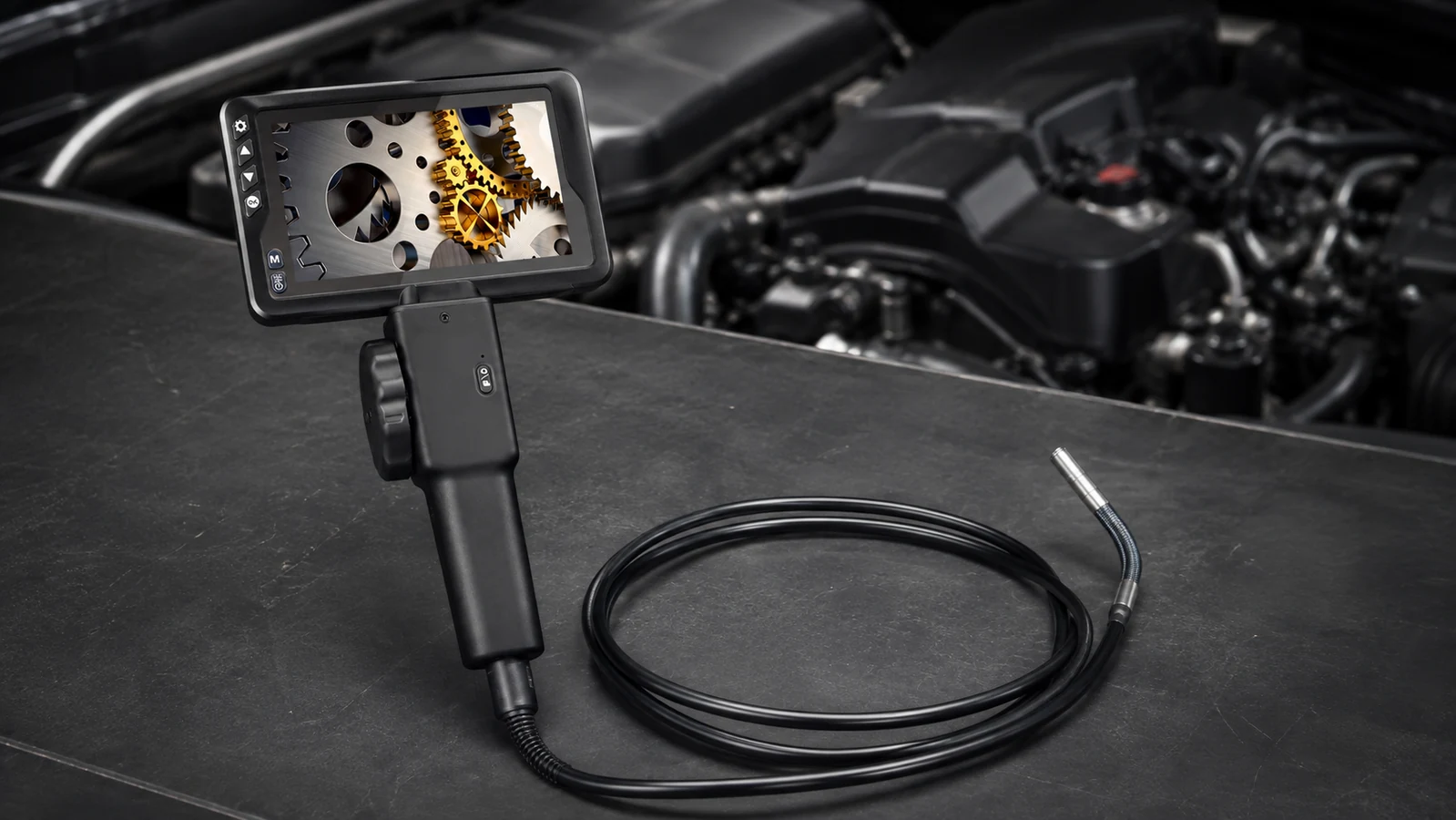
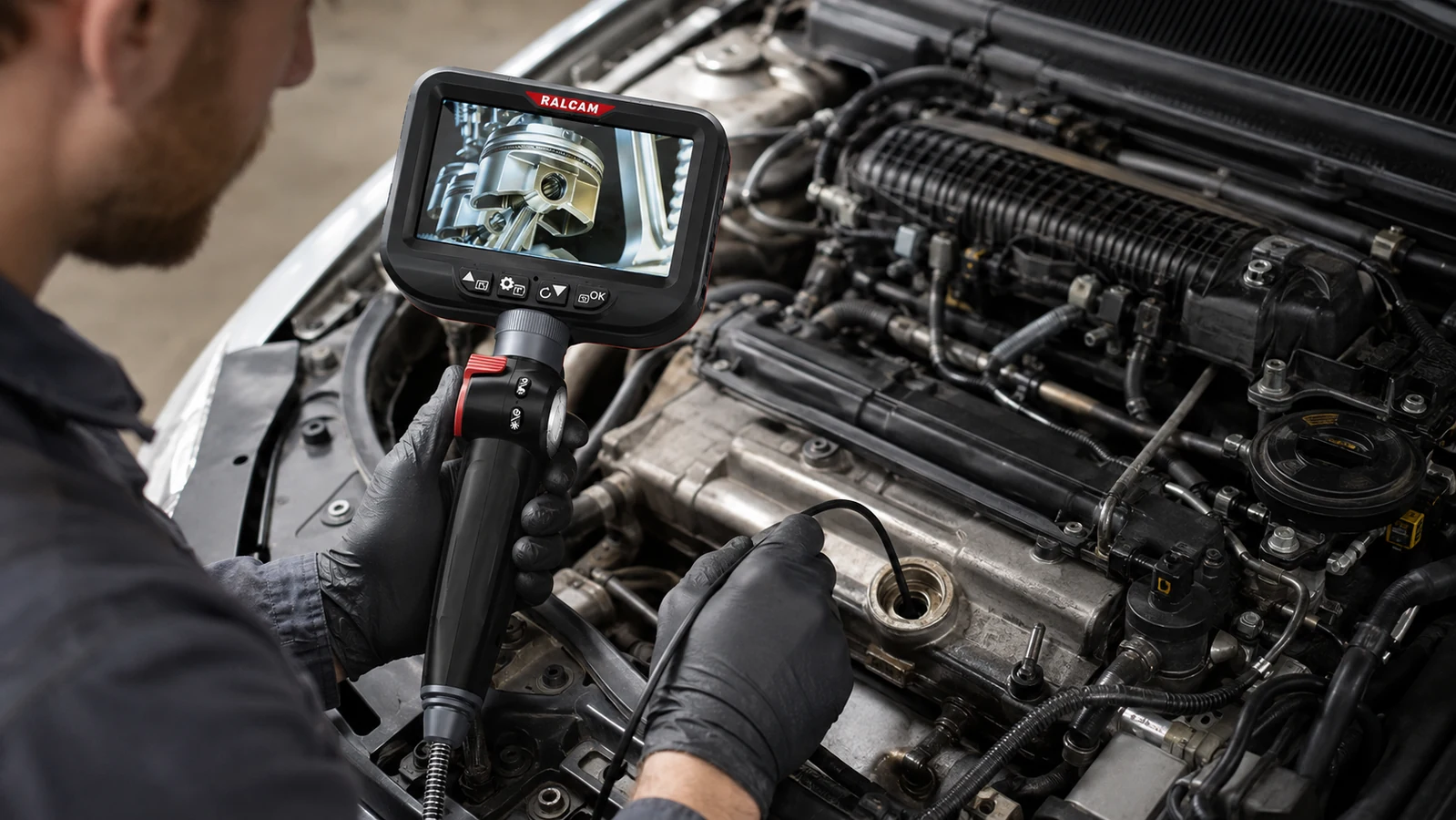
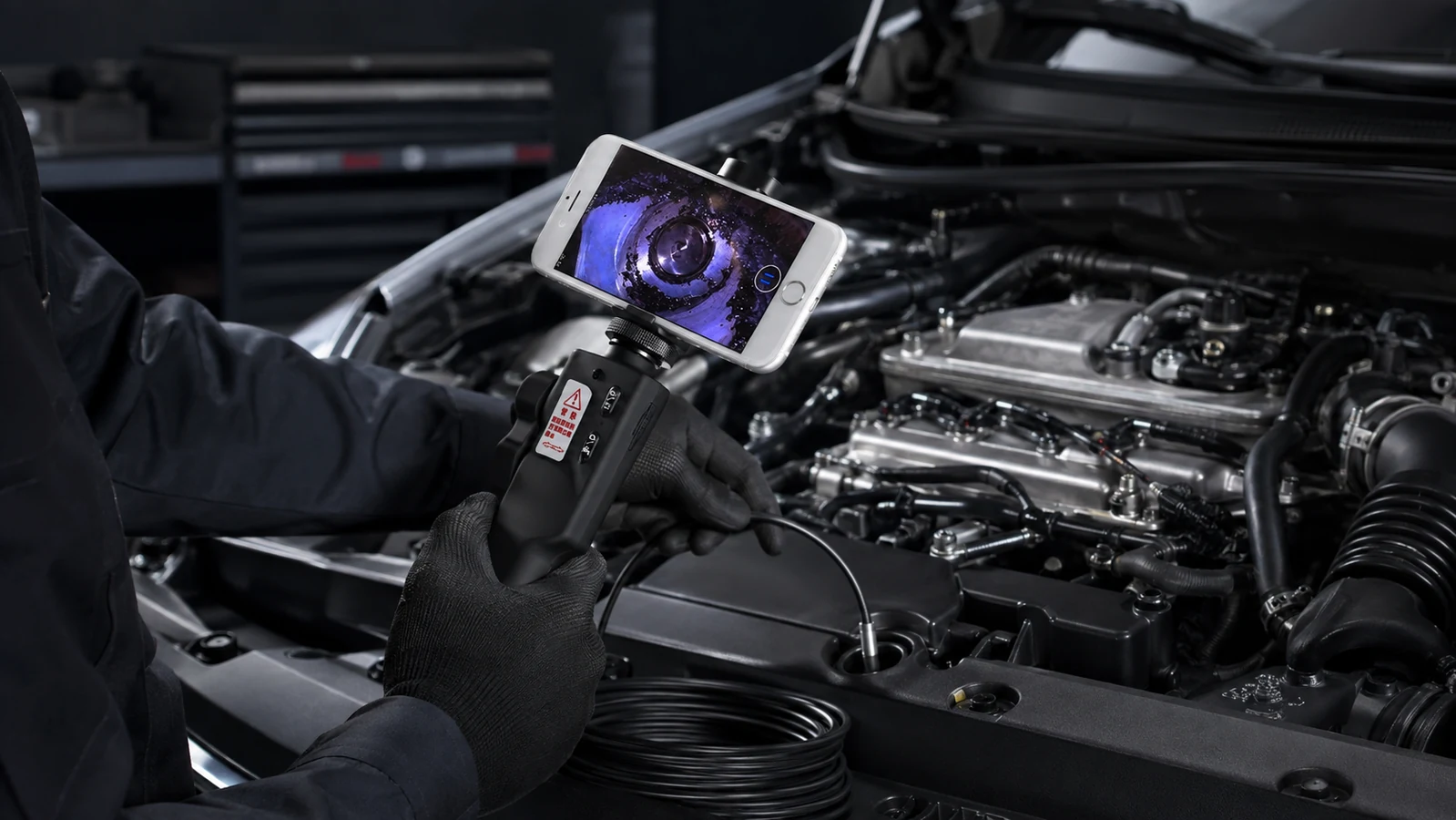
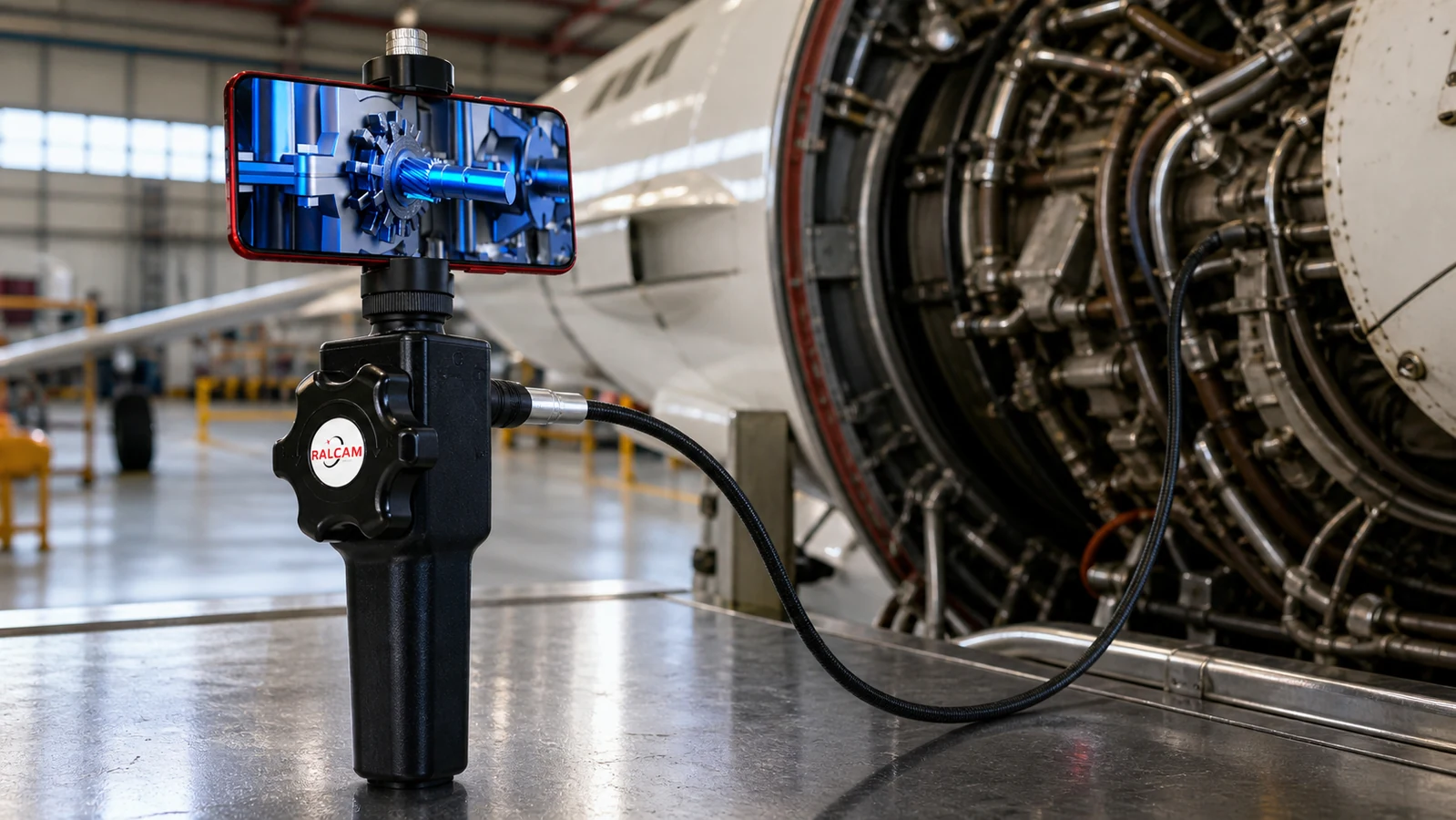
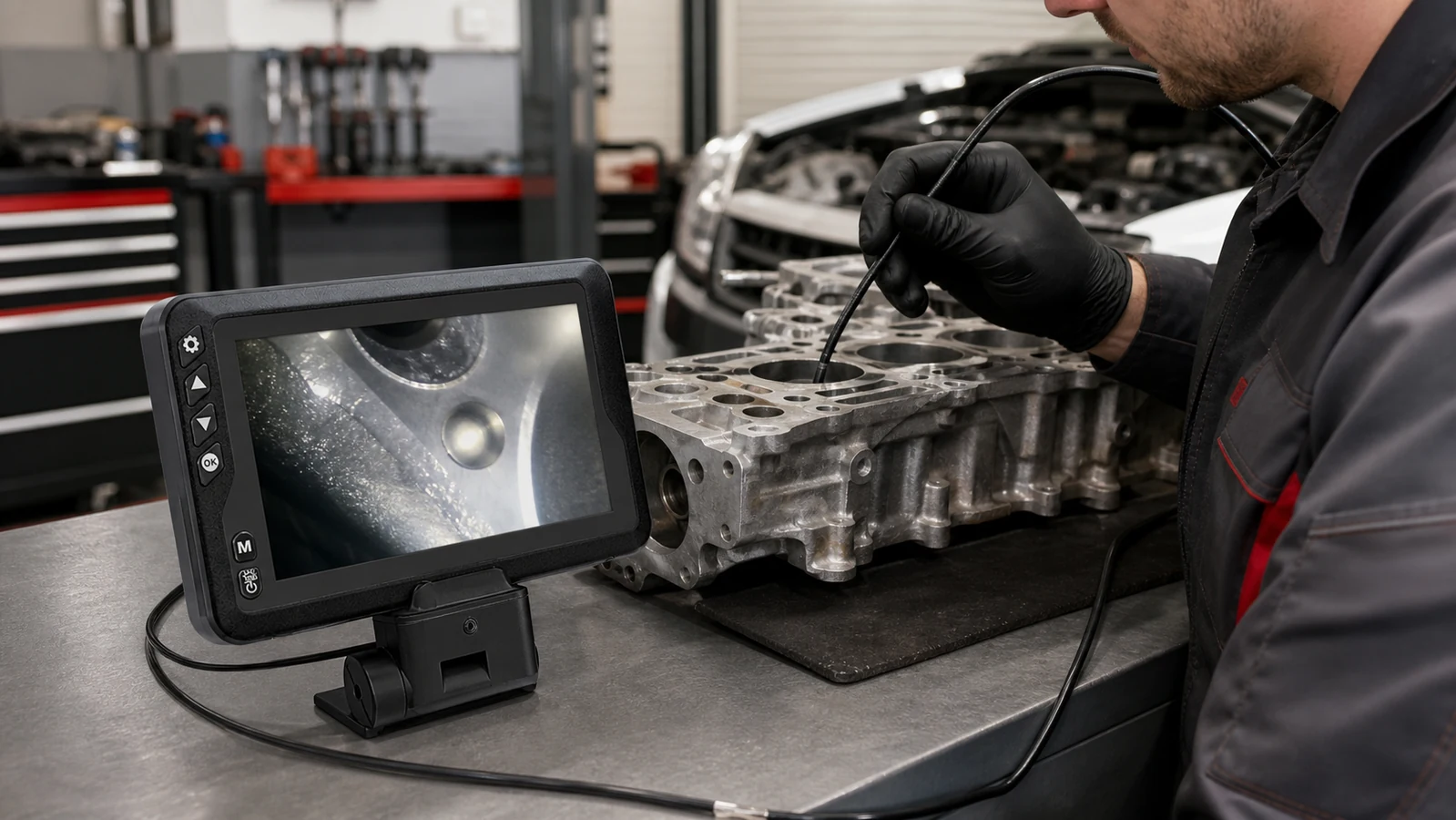
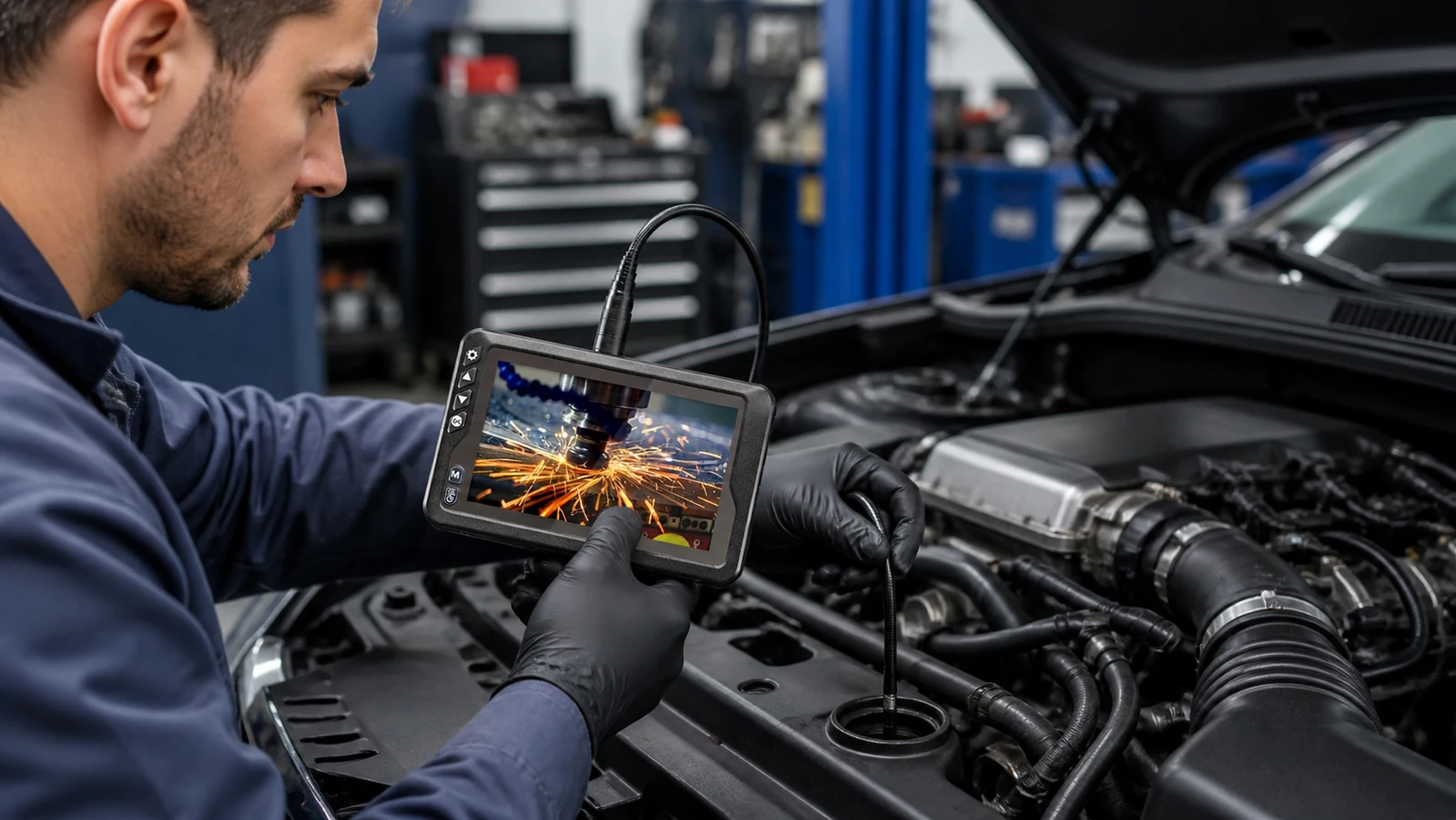
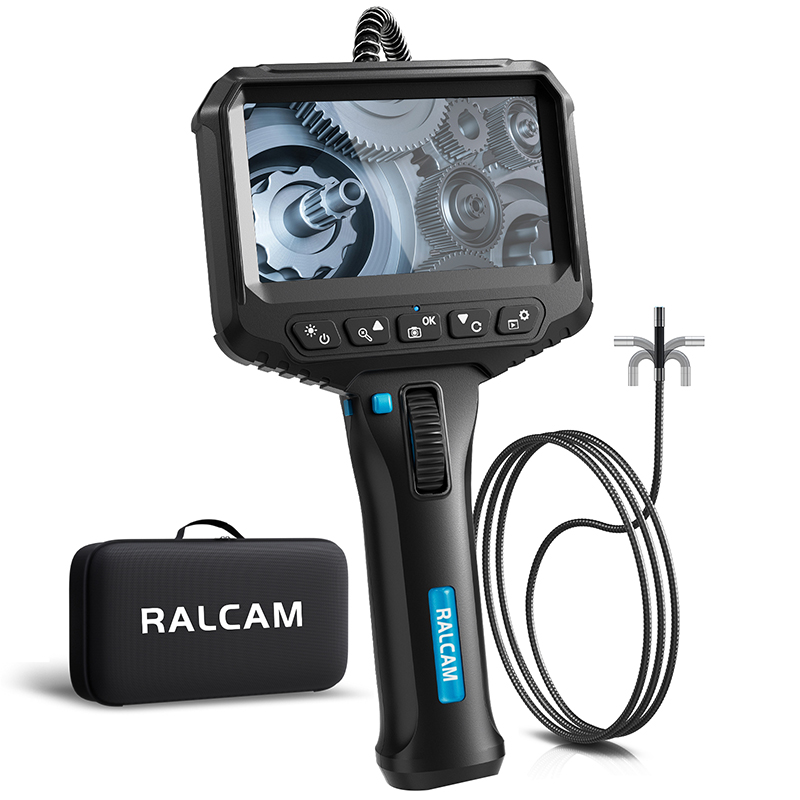
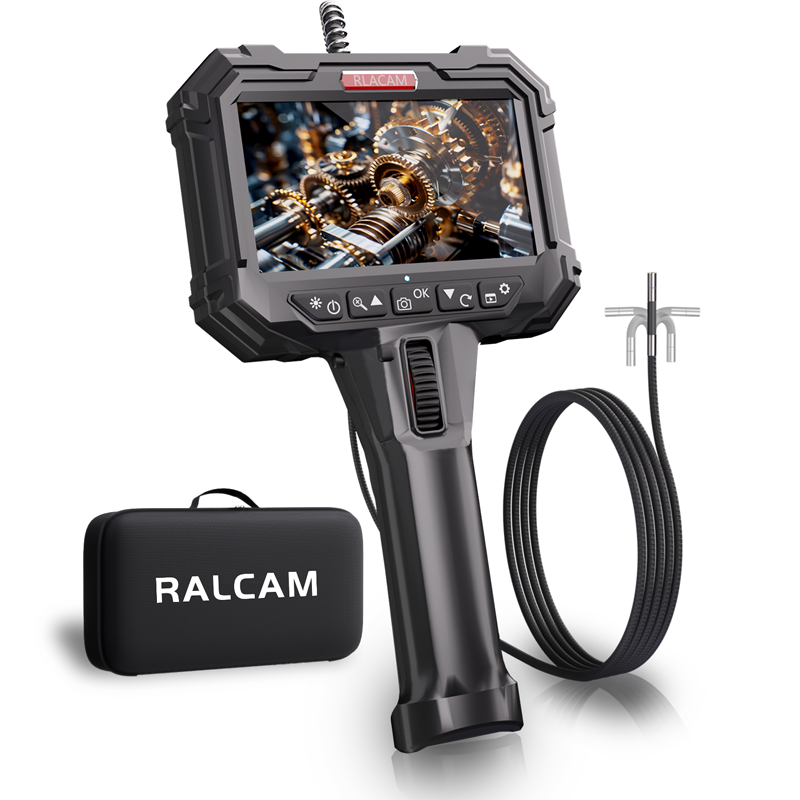
Choosing an articulating two-way automotive borescope starts with access clearance, viewing direction and a repeatable trial on the components it must inspect.
An automotive articulating borescope should be evaluated by access size, steering behavior, viewing geometry, probe length, and workflow fit before purchase.
An automotive borescope should be validated against the real access opening, route, viewing requirement, environment, and inspection record before purchase.
A flexible borescope should be evaluated by probe diameter, articulation, field of view, resolution, cable length, and verified application fit.
An articulating two-way automotive borescope should be evaluated by access fit, declared imaging data, field of view, operating context, and documented sample tests.
An articulating two-way automotive borescope should be assessed against access geometry, verified imaging values, workflow controls, and the intended inspection task.